
Stop Wasting Money on Protein Powder: Get Enough From Food
Discover if you're overspending on protein supplements you don't need. Learn how whole foods provide ample protein for muscle growth and save your cash with expert advice from Obi.
The original video by Celebrity Health Expert Obi plays right here.
The fitness world often hammers home a single message: you need protein. Lots of it. And if you are not getting enough, you better buy a supplement or risk losing all your hard-earned muscle. This narrative, heavily influenced by supplement companies, has programmed countless fitness enthusiasts to believe that protein powder is an absolute necessity for building and maintaining lean mass. But what if this popular belief is costing you money and delivering little to no extra benefit?
The Protein Supplement Hype: Unpacking the Myth
For years, the idea that protein supplements are indispensable has been pervasive. We are led to believe that without them, our muscles will simply shrivel up. However, celebrity health expert Obi challenges this widely accepted notion, stating that most adults can meet their protein needs through a standard balanced diet.
If you are consistently eating three meals a day and ensuring each meal includes a protein source, the likelihood of needing a supplement is low. For adults aged 30 and above, a basic protein intake of about 0.4 to 0.5 grams per pound of body weight is typically sufficient. Protein supplements become useful only if your dietary intake is genuinely lacking, such as when you are skipping meals or operating in a significant calorie deficit. There is no need to feel pressured into buying supplements out of fear of muscle loss when your diet is already providing what you need.
My Personal Protein Experiment: What I Learned
Obi, a seasoned fitness professional, confesses he too was once a regular protein supplement user, consistently taking them before workouts. Driven by curiosity and a desire to challenge conventional wisdom, he embarked on a personal experiment.
I haven't taken protein myself probably close to, maybe close to a year. And I've just relied on protein just from food as I've always done previously. And one of the things that I've noticed is that my strength levels are the same, my lean muscle mass is the, you know, is the same.
This year-long period of relying solely on whole food protein sources yielded surprising results: no decline in strength, no loss of lean muscle mass, and no difference in gym performance. His experience serves as a powerful testament that for individuals already consuming adequate protein through their diet, additional supplementation may not provide any discernible advantage.
Beyond the Basics: The Truth About Optimal Protein Intake
While basic protein needs are met with 0.4 to 0.5 grams per pound, the goal for those actively looking to build muscle mass typically ranges higher, up to one gram of protein per pound of body weight. This is the ideal range for maximizing muscle growth and recovery. However, the misconception often pushed by fitness and bodybuilding magazines is that more is always better.
Obi explains that exceeding this optimal range leads to a phenomenon known as “diminished returns.” Consuming excessive amounts, such as two grams or more per pound, does not translate to more muscle growth. Instead, this protein surplus, if not utilized by the body, can be converted and stored as fat. Just like an excessive calorie intake, an unneeded protein surplus is not beneficial and can actively work against your body composition goals.
Whole Foods Reign Supreme: Ditching the Powders
The core message is clear: whole foods should always be your primary source of nutrients, including protein. They offer a comprehensive nutritional profile that supplements simply cannot replicate. If you are consistently consuming protein-rich foods with your meals, you are likely meeting your body's requirements without the need for powders.
Excellent whole food protein sources include:
- Chicken
- Steak
- Eggs
- Beef
- Turkey
Even when he owned a supplement company, Obi consistently advised his clients that if they were eating a balanced diet with protein in each meal, buying a protein supplement was unnecessary. This contrasts sharply with the typical supplement company narrative, which often promotes their products as essential for muscle development. Many protein supplements also contain fillers and questionable ingredients, making whole foods a superior and safer choice.
Remember, a supplement is designed to supplement, not to replace, what you are not getting through your diet. If your daily food intake is already robust, adding a protein supplement is simply wasting your money, as you are already achieving optimal levels. It is a classic example of diminishing returns, where additional intake provides no extra benefit.
Frequently Asked Questions About Protein
How much protein do I actually need for basic health?
For most adults aged 30 and above, a basic protein intake of about 0.4 to 0.5 grams per pound of body weight is typically sufficient to meet daily needs.
Can too much protein be harmful?
While some protein is essential, exceeding optimal intake, such as two grams or more per pound of body weight, can lead to diminishing returns and a protein surplus that may be stored as fat, similar to a calorie surplus.
What are good whole food sources of protein?
Excellent whole food protein sources include chicken, steak, eggs, beef, and turkey, which provide comprehensive nutrition beyond just protein.
When is a protein supplement truly necessary?
A protein supplement is ideal if you are genuinely not getting enough protein from your diet, such as when you struggle to eat three meals a day or are in a significant calorie deficit.
The Bottom Line: Optimize Your Protein, Optimize Your Health
The journey to optimal health and fitness is not always about buying more products. Often, it is about understanding your body's true needs and making informed choices. Celebrity Health Expert Obi's insights remind us that a balanced diet rich in whole foods is the foundation of effective muscle building and overall well-being. By prioritizing real food, you can save money, avoid unnecessary fillers, and still achieve your fitness goals. To learn more expert health and fitness advice, visit Obi's official website at https://www.obiobadike.com/.
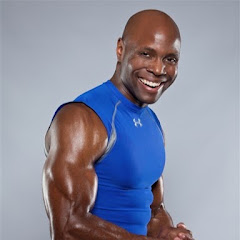
Celebrity Health Expert Obi
New stories from every video, straight to your feed.
This article is based on this video by Celebrity Health Expert Obi, learn more at their website. Written and published automatically with BlokStreams.
Comments
Be the first to comment.