
10,000 Steps: Myth or Must-Do? Expert Obi Reveals The Truth
Celebrity health expert Obi unpacks the truth about the 10,000 steps rule. Discover its origin, scientific backing, and the real daily step count for heart health and longevity.
The original video by Celebrity Health Expert Obi plays right here.
The 10,000 steps rule has been a long-standing benchmark for daily activity, often perceived as a non-negotiable target for optimal health. But what if this widely accepted fitness goal is more of a clever marketing tactic than a scientific imperative? Celebrity health expert Obi delves into the surprising origins of this pervasive belief and reveals what current research truly indicates about the ideal number of steps for profound health benefits.
The Surprising Origin of the 10,000 Steps Rule
Many believe the 10,000 steps guideline is rooted in rigorous scientific study, but its true origin is far less medical. This widely accepted fitness goal actually emerged from Japan in 1965 when a company launched a pedometer called Mampoki. The name itself translated to the "10,000 step meter rule."
Obi explains that this phrase was primarily a catchy and easy way to market the company's product. There was no biological data at the time, nor has there been since, that specifically links 10,000 steps to optimal heart health or phenomenal longevity benefits. The number was simply a marketing tool.
What Science Says: The Real "Sweet Spot" for Daily Steps
Contrary to the popular myth, Obi argues that aiming for 10,000 steps or more can actually lead to diminished returns for most individuals. The real truth, the scientific "sweet spot" for daily steps, is considerably lower.
According to the American Heart Association, the ideal range to maintain a healthy heart, maximize longevity benefits, and reduce mortality risks is around 5,000 to 6,000 steps per day. While younger adults, perhaps in their 20s, might benefit from 8,000 to 9,000 steps, anything beyond that, especially for individuals above the age of 40, 50, or 60, often provides diminishing returns.
The goal with exercise should be efficiency: what will allow you to reach your health goals without doing more than necessary? The data suggests that for most people, 10,000 steps is not the most efficient path to optimal health, as the benefits drop significantly after approximately 8,000 steps.
Boost Your Benefits: Intensity Over Quantity
It is not just about the number of steps you take, but how you take them. If your primary goal is to truly challenge your heart and enhance cardiovascular health, simply walking 9,000 or 10,000 slow steps may not be enough. Obi emphasizes the importance of intensity.
To get better benefits, incorporate brisk walking, incline walking, or interval walking with higher intensity speeds into your routine. Heightening the intensity of your speed ensures your heart is adequately challenged, leading to greater cardiovascular improvements than a slow, extensive walk that does not elevate your heart rate sufficiently.
Comprehensive Health Benefits of Walking
Beyond its impact on step count myths, regular walking offers a wide array of proven health benefits:
- Improve your endurance level.
- Improve your blood sugar levels.
- Improve your blood pressure levels.
- Improve the health of your heart.
But anyone that tells you don't do cardio does not understand the value of cardiovascular when it comes to the health of your heart and your longevity.
The British Heart Foundation further highlights the profound impact of even small increases in activity, stating that adding an additional 500 steps to your daily average can increase your longevity and reduce mortality by seven to eight percent. This data underscores that consistent, even modest, activity can yield significant returns.
A Balanced Fitness Routine: Walking is Just One Piece
While walking is an excellent component of a healthy lifestyle and offers crucial cardiovascular benefits, it is essential to remember that it does not replace other forms of exercise. For a truly balanced and comprehensive fitness routine, you must incorporate resistance training and flexibility training. These elements work synergistically with walking to improve overall strength, mobility, and complete well-being.
Frequently Asked Questions About Daily Steps and Heart Health
Is 10,000 steps a medical requirement for health?
No, the 10,000 steps rule originated as a marketing slogan in Japan in 1965 for a pedometer called Mampoki, not from biological data or medical requirements.
What is the optimal number of daily steps for heart health and longevity?
According to the American Heart Association, the "sweet spot" for maintaining a healthy heart, maximizing longevity benefits, and reducing mortality risks is around 5,000 to 6,000 steps per day for most adults.
Can increasing my walking intensity improve cardiovascular benefits?
Yes, challenging your heart with brisk walking, incline walking, or interval walking at higher intensity speeds will yield better cardiovascular benefits than simply taking 9,000 or 10,000 slow steps.
What health benefits can I expect from regular walking?
Regular walking can improve your endurance levels, blood sugar levels, blood pressure levels, and overall heart health.
Should walking be my only form of exercise?
While walking is highly beneficial, it does not replace the need for resistance training and flexibility training to create a truly balanced and comprehensive fitness routine.
Your Path to Efficient, Effective Fitness
Celebrity health expert Obi champions an approach to fitness that prioritizes efficiency and genuine results. Understanding that more is not always better, especially when it leads to diminished returns, can transform your fitness journey. If you are looking to lose weight, build muscle, or simply get in the best shape possible, learn more about Obi's expert insights and programs by visiting his official website at https://www.obiobadike.com/.
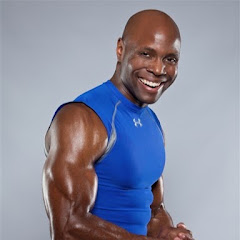
Celebrity Health Expert Obi
New stories from every video, straight to your feed.
This article is based on this video by Celebrity Health Expert Obi, learn more at their website. Written and published automatically with BlokStreams.
Comments
Be the first to comment.