
Boost Brain Health: The Best Exercises for Memory and Cognition
Discover which exercises truly improve brain health, cognitive function, and memory. Learn expert-backed strategies to reduce dementia risk and boost brain longevity with simple routines.
The original video by Celebrity Health Expert Obi plays right here.
Many of us seek ways to sharpen our minds and protect our cognitive abilities as we age. With countless health tips circulating, it is natural to wonder: what exercise truly delivers on its promise to improve brain health? Celebrity health expert Obi cuts through the noise to reveal the scientific truth behind optimizing your brain with physical activity.
The Core Principle: Blood Flow and Oxygen
The answer to which exercise wins for brain health is surprisingly simple. Any exercise that successfully pumps blood flow and oxygen to the brain emerges as a winner. This fundamental principle applies to a wide range of physical activities, all contributing to better cognitive function.
Both cardiovascular and resistance training modalities accomplish this vital goal. Cardiovascular exercises, often called aerobic training, are particularly effective due to their inherent ability to significantly increase oxygen delivery throughout the body, including the brain. This can include anything from a brisk walk to a challenging sprint. Resistance training, whether using body weight, resistance bands, or free weights, also stimulates blood flow and provides significant brain health benefits.
Any exercise that pumps blood flow and oxygen to the brain wins for brain health.
Proven Benefits: Memory, Mood, and Dementia Prevention
Beyond the physical improvements, exercise profoundly impacts mental well-being and cognitive performance. Regular physical activity has been shown to reduce feelings of depression, offering a natural mood boost. It also enhances creative thoughts and generally leaves you feeling better after a session.
More importantly, consistent exercise significantly improves cognitive function and memory. Research indicates that exercise plays a crucial role in maintaining long-term brain longevity and can even reduce the risk of severe cognitive decline, such as dementia. While both cardio and weight training are beneficial, cardiovascular exercise appears to have a slight edge in improving memory function. This is likely due to the higher volume of oxygen supplied to the brain during aerobic activities.
The Science Backs It Up
The positive effects of exercise on brain health are not mere anecdotes, they are firmly supported by rigorous scientific studies. For instance, a study published in the British Journal of Sports Medicine in 2025 followed 258,000 people. This research revealed that individuals who exercised twice a week showed improved cognitive function and enhanced memory.
Another powerful meta-review study, published in 2025 in the Journal of Americans Directors Association, tracked approximately 90,000 people over four and a half years. Participants who engaged in moderate exercise two to three times a week experienced a remarkable 41 percent reduction in their risk of dementia. These robust findings underscore the critical role of regular physical activity in preserving and enhancing brain health, as well as significantly reducing the incidence of brain related diseases.
How Much Exercise is Enough?
You might be wondering about the optimal amount of exercise for reaping these brain-boosting benefits. Celebrity health expert Obi often refers to the recommendations from leading health organizations. The American Heart Association, for example, suggests aiming for 150 minutes of moderate exercise per week. This translates to an accessible regimen of 30 minutes a day, five days a week.
The good news is that this exercise does not need to be high intensity. Moderate activity, such as walking, is entirely sufficient to pump enough oxygen and blood flow to your brain to achieve positive brain benefits. This makes maintaining a brain-healthy routine achievable for people of almost any age and fitness level, proving that consistent, moderate effort yields significant rewards.
The exercise doesn't have to be high intensity. It can be moderate exercise.
Optimize Your Routine: Combine Cardio and Strength
While both cardiovascular and resistance training offer individual benefits for brain health, the most effective strategy for long-term cognitive function and overall brain longevity involves combining these modalities. Integrating both forms of exercise into your weekly routine provides a comprehensive approach to maximizing brain benefits.
For optimal results, aim to incorporate weight training for a minimum of three days a week. Complement this with cardiovascular exercise for a minimum of three days a week. This balanced regimen ensures that your brain receives consistent blood flow, oxygen, and the diverse stimuli needed to thrive, as validated by numerous studies.
Your Brain Health Questions Answered
What type of exercise is best for brain health?
Any exercise that increases blood flow and oxygen to the brain, including both cardiovascular and resistance training, is beneficial. Examples include walking, jogging, swimming, lifting weights, or using resistance bands.
Does moderate exercise really make a difference?
Yes, absolutely. Moderate exercise, such as walking for 30 minutes a day, five days a week, is highly effective for improving brain health, reducing depression, and preventing cognitive decline. It does not need to be high intensity to be effective.
How much exercise should I do to improve my memory?
The American Heart Association recommends 150 minutes of moderate exercise per week. This amount, broken down to 30 minutes a day for five days, includes activities proven to boost memory function and cognitive health.
Can exercise help reduce the risk of dementia?
Yes, significantly. Studies have shown that regular moderate exercise can dramatically reduce the risk of dementia. One meta-review study from 2025 indicated a reduction of 41 percent in participants who exercised regularly.
Is weight training or cardio better for brain function?
Both are excellent for brain health. While cardiovascular training shows a slight edge for memory improvement due to increased oxygen flow to the brain, combining both modalities offers the most comprehensive and positive brain benefits for long-term cognitive longevity.
Take Control of Your Brain Health
The message from celebrity health expert Obi is clear: neglecting regular exercise means neglecting a powerful tool for your brain's health and longevity. By committing to a consistent routine that combines both cardiovascular and resistance training, you can significantly enhance your memory, elevate your mood, and actively reduce the risk of cognitive decline.
Make these simple, scientifically backed exercise recommendations a cornerstone of your wellness journey. For more expert insights and actionable health tips to empower your well-being, visit Obi's website at https://www.obiobadike.com/ and start transforming your health today.
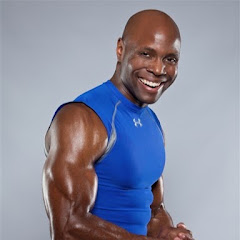
Celebrity Health Expert Obi
New stories from every video, straight to your feed.
This article is based on this video by Celebrity Health Expert Obi, learn more at their website. Written and published automatically with BlokStreams.
Comments
Be the first to comment.